
The Rwanda Mines, Petroleum and Gas Board (RMB) has reaffirmed that Rwanda, though small and mountainous, is richly endowed with mineral resources spread across most parts of the country.
Speaking on 20th the National Dialogue Council (Umushyikirano) under the theme “Striving for Sustainable Development,” RMB Director General Alice Uwase emphasized that doubts about the country’s mineral potential are unfounded.
“This is evidenced by the fact that minerals have been mined in this country for the past 96 years,” Uwase said. “Areas that are frequently mentioned include Rwinkwavu, Nyakabingo and Rutongo, where exploration started between the 1950s and 1970s.”
She explained that the value of minerals evolves over time. “In the past, cassiterite and wolfram were needed to support industrial development in different countries,” she said. “But in the 2000s, coltan became highly valuable because it is used in mobile phones, computers and many other devices.”
Uwase added that minerals previously considered insignificant are now gaining importance. “Over the past five to six years, we have seen a surge in the value of lithium and beryl, which we used to treat as waste at mining sites,” she said, noting that research could unlock the value of other currently overlooked minerals.
According to Uwase, minerals are found in 80 percent of Rwanda’s districts, including Kigali City, Kamonyi, Muhanga, Gakenke, Rutsiro, Rubavu, Karongi, Nyamasheke, Rwamagana, Gatsibo, and Kirehe.
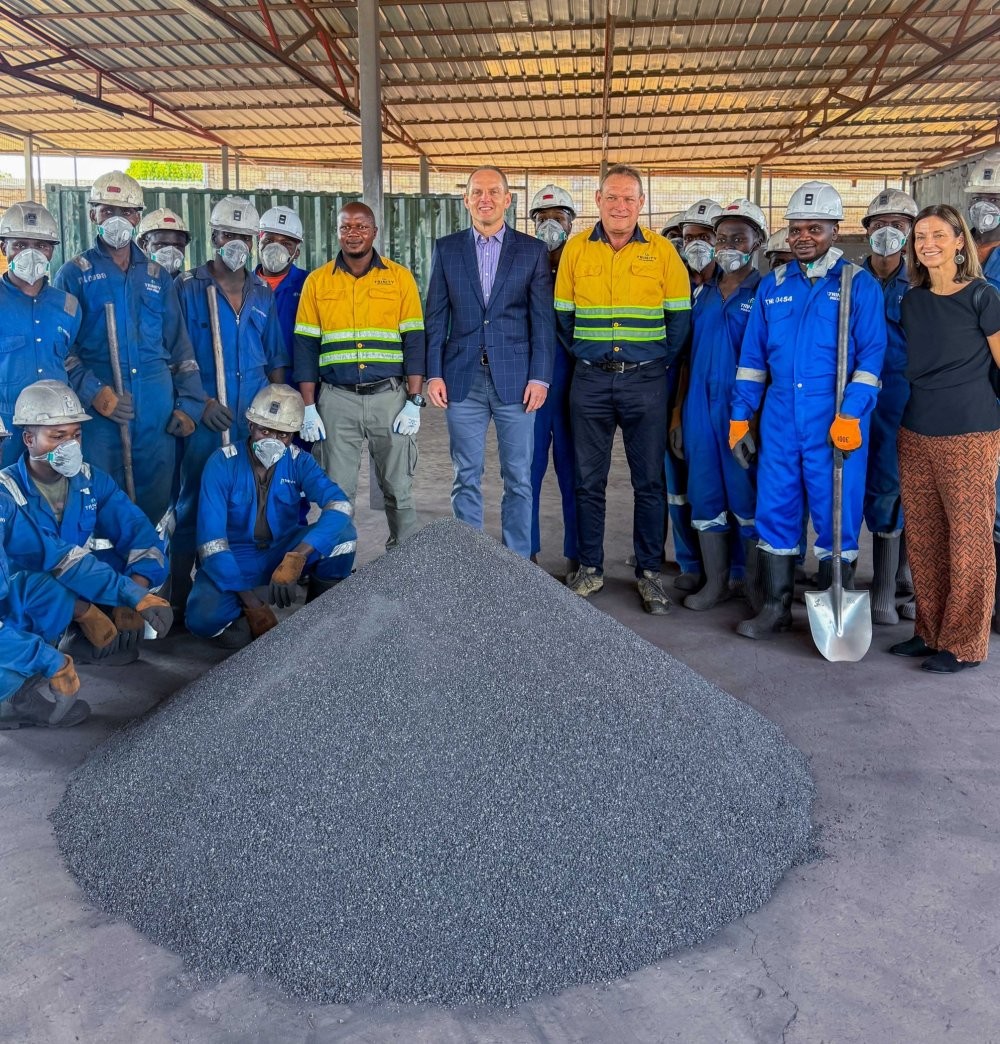
She highlighted Rwanda’s global role in mineral supply, saying, “Thirty-one percent of the wolfram used worldwide comes from Rwanda, making us first in Africa and fourth globally. Twenty-two percent of the coltan used globally also comes from Rwanda.” From skilled hands to global supply chains wolfram concentrate production in Rwanda.
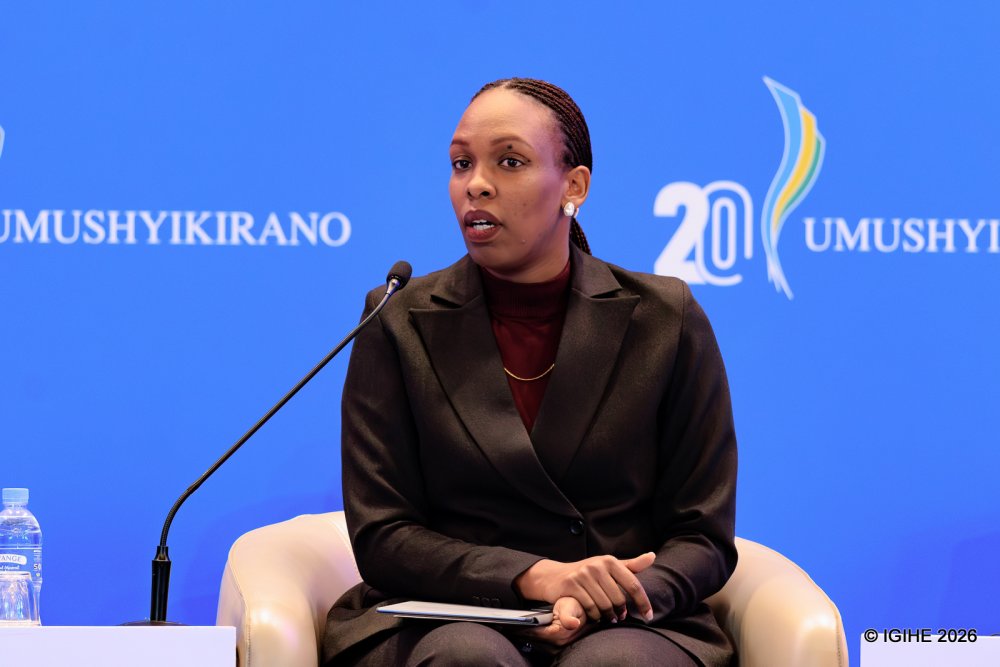
Alice UWASE RMB Director General speaking at umushyikirano
Last year, the mining sector employed over 92,000 people and contributed more than Rwf 129 billion in government revenue. Uwase stressed the need to strengthen research, promote value addition, and train skilled professionals to fully harness the sector’s potential for sustainable development.