The National Agricultural Export Development Board (NAEB) has announced that agricultural and livestock products exported by Rwanda between 9 and 13 February 2026 generated more than $13 million, equivalent to over Rwf 19 billion.
According to NAEB, the exports during the five-day period included coffee, tea, vegetables, fruits, flowers, livestock products, and other agricultural goods.
Coffee exports totaled 741 tonnes, earning more than $4.8 million, while 1,097 tonnes of tea brought in over $3.1 million. Vegetables exports reached 509 tonnes, generating approximately $485,340.
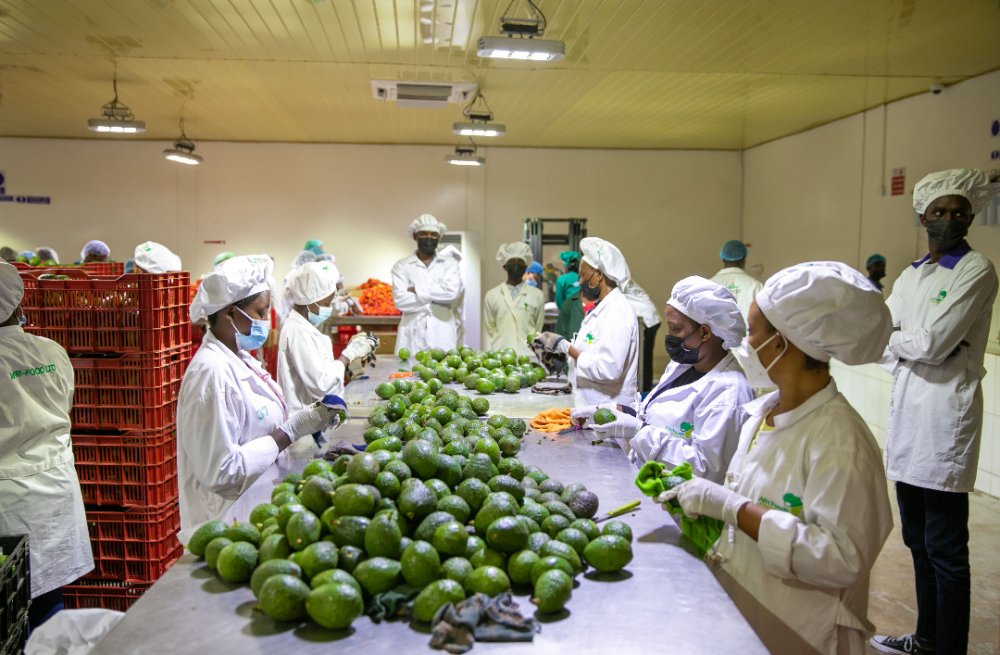
Fruits exports amounted to 385 tonnes, earning over $286,000, while 44 tonnes of flowers generated more than $388,000.
The main destination markets for these products included the United Kingdom, the Netherlands, the United Arab Emirates, France, China, and Japan.
In other export categories, Rwanda shipped about 6,500 tonnes of additional products, which generated more than $3.4 million, while 266 tonnes of livestock products earned over $449,000.
These exports were mainly destined for the United States, Oman, India, as well as neighboring countries in the region.
NAEB said the performance highlights Rwanda’s growing capacity to access international markets and the increasing value of its agricultural and livestock exports on the global stage.
Overall, the strong export performance recorded in just five days reflects Rwanda’s steady progress in building a competitive, reliable, and diversified agricultural export sector. By consistently meeting international quality standards and expanding into high-value markets, the country is strengthening foreign exchange earnings while creating sustainable opportunities across the entire value chain—from farmers and processors to exporters and logistics providers. As demand for Rwandan coffee, tea, horticulture, and livestock products continues to grow, this momentum positions Rwanda as an increasingly important supplier in global agricultural trade and reinforces the sector’s role as a key driver of national economic resilience and long-term growth.